Crochet Hook Sizes Explained: US, UK and Metric Conversion Chart
Crochet hooks are labeled in three different systems depending on where they were made. A pattern from the US may call for an "H-8", a European pattern for "5 mm", and a vintage British pattern for a "size 6". They can all mean the same hook. This guide explains the systems and gives you a chart to keep.
The three sizing systems
- Metric (mm): the diameter of the hook's shaft in millimetres. It is the most precise system and is used across Europe, the UK today and most modern hooks worldwide. When in doubt, trust the millimetre number.
- US sizes: a letter, often combined with a number (for example G-6 or H-8). Letters go up as hooks get bigger. Different brands sometimes label the same letter slightly differently, which is why the mm size printed next to it matters.
- Old UK / Canadian sizes: a number where bigger numbers mean smaller hooks. You will mostly meet these in vintage patterns and second-hand hook sets.
Crochet hook conversion chart
| Metric (mm) | US size | Old UK size |
|---|---|---|
| 2.25 mm | B-1 | 13 |
| 2.75 mm | C-2 | 12 |
| 3.25 mm | D-3 | 10 |
| 3.5 mm | E-4 | 9 |
| 3.75 mm | F-5 | — |
| 4 mm | G-6 | 8 |
| 4.5 mm | 7 | 7 |
| 5 mm | H-8 | 6 |
| 5.5 mm | I-9 | 5 |
| 6 mm | J-10 | 4 |
| 6.5 mm | K-10½ | 3 |
| 7 mm | — | 2 |
| 8 mm | L-11 | 0 |
| 9 mm | M/N-13 | 00 |
| 10 mm | N/P-15 | 000 |
Small differences exist between brands, especially for US letters. If a pattern gives a millimetre size, always use that.
Steel hooks are different
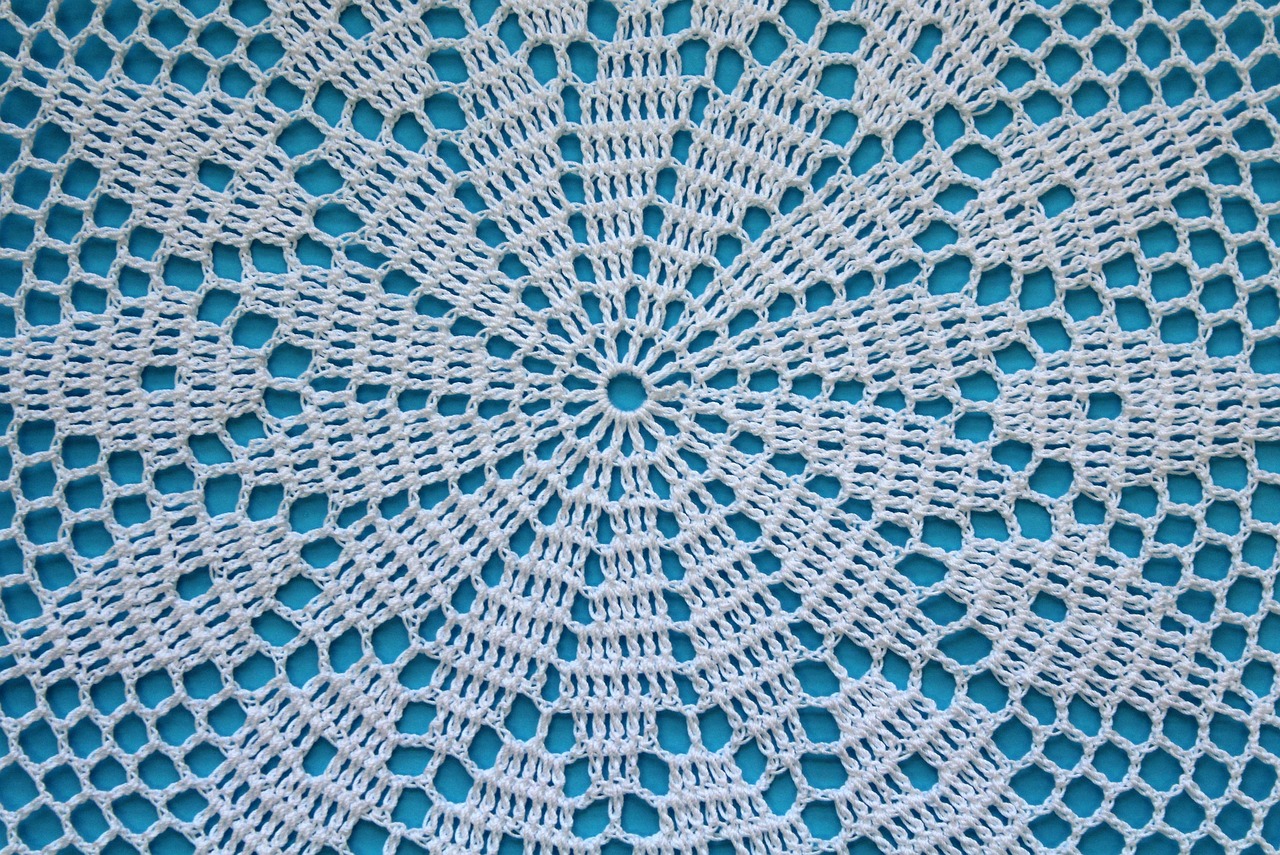
Very fine steel hooks (used for thread crochet, lace and doilies) follow their own numbering, where a higher number again means a smaller hook. A steel size 10, for example, is roughly 1.3 mm. If a pattern uses cotton thread rather than yarn, check whether it means a steel hook.
How to choose the right hook for your yarn
Most yarn labels print a recommended hook size, often alongside a small hook symbol. Start there. If the label has no hook size, this general guide helps:
| Yarn weight (US) | UK / AU equivalent | Typical hook |
|---|---|---|
| Lace / Fingering | 2-ply / 4-ply | 1.5 – 3.5 mm |
| Sport | 5-ply | 3.5 – 4.5 mm |
| DK (light worsted) | DK / 8-ply | 4.5 – 5.5 mm |
| Worsted / Aran | Aran / 10-ply | 5 – 6.5 mm |
| Bulky | Chunky / 12-ply | 6.5 – 9 mm |
| Super bulky | Super chunky | 9 mm and up |
When to go up or down a size
- Your fabric feels stiff, or your stitches are hard to work into: go up half a size or a full size.
- Your fabric looks holey or floppy: go down a size.
- Amigurumi (stuffed toys): use a hook one or two sizes smaller than the label suggests, so the stuffing does not show through.
- Blankets and drapey shawls: a slightly larger hook gives a softer, more flexible fabric.
Why gauge matters
For things that need to fit, such as hats, sweaters or socks, patterns give a gauge (UK: tension): a number of stitches and rows in a 10 cm (4 in) square. Crochet a small square with the suggested hook, measure it, and compare. More stitches than the pattern means you crochet tightly: go up a hook size. Fewer stitches means you crochet loosely: go down a size. It takes ten minutes and saves hours of frustration.
Key takeaways
- Millimetres are the most reliable measure, so always check the mm size.
- Old UK numbers run backwards: a bigger number means a smaller hook.
- Start with the hook on the yarn label, then adjust to the fabric you want.
- For fitted items, make a gauge swatch first.
New to all of this? Read our guide on how to hold a crochet hook next.