US vs UK Crochet Terms: The Complete Translation Guide
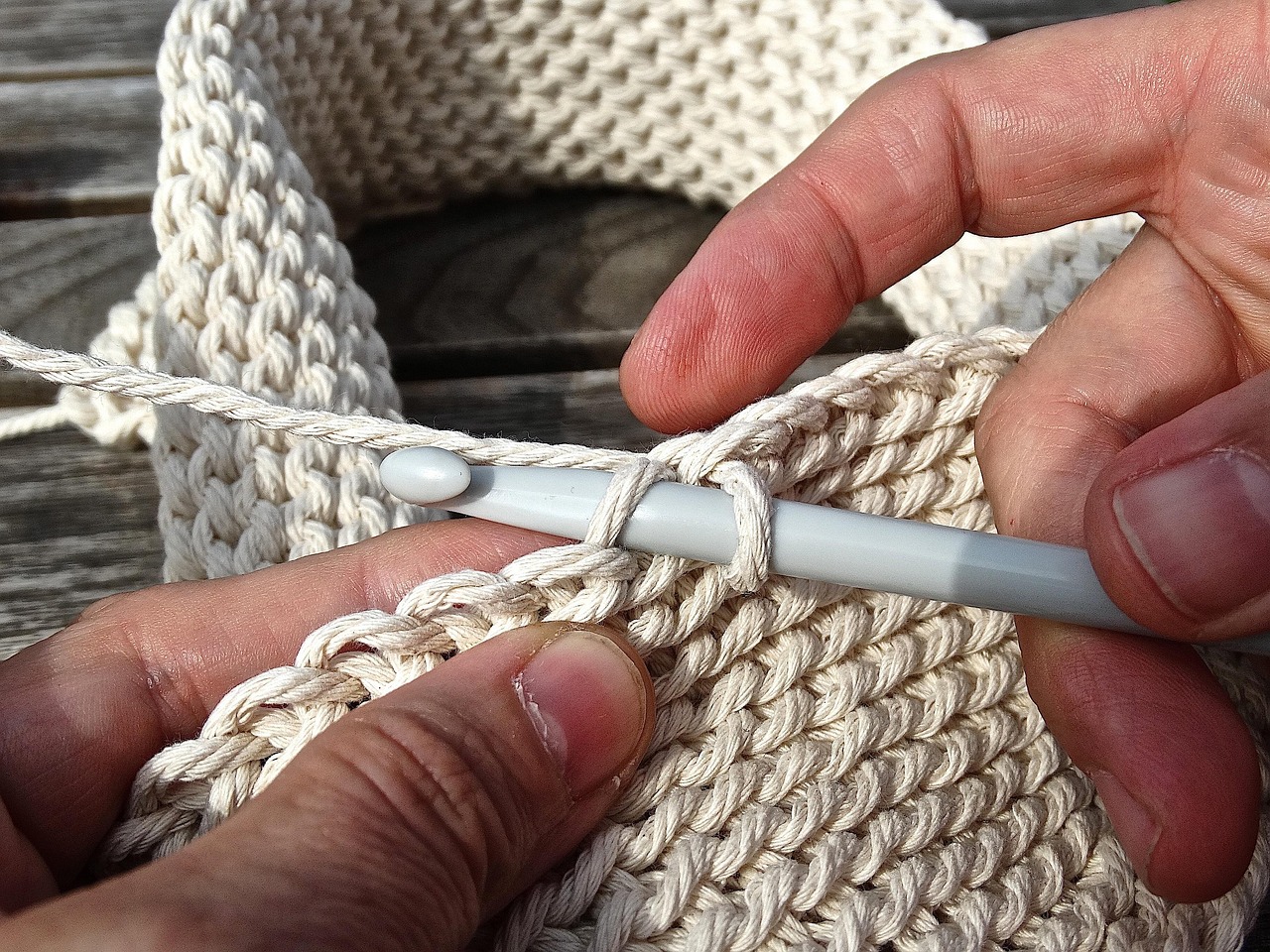
Here is one of the most confusing facts in crochet: a "double crochet" in a British pattern is not the same stitch as a "double crochet" in an American pattern. The two systems use the same words for different stitches. If you follow a pattern in the wrong system, your project will come out far too big or far too small. This guide gives you the full translation and a few tricks to spot which system a pattern uses.
Why the two systems differ
The difference comes from how each system counts.
- UK terms name a stitch by the number of loops you pull up after the first insertion. In a UK double crochet you end up with two loops on your hook before finishing, hence "double".
- US terms name a stitch by the number of times you yarn over and pull through to finish it. A US single crochet is finished in one pull-through.
Both are logical. They simply start counting from different places, and that shifts every stitch name by one step.
Stitch translation table
| US term | UK term | Abbreviation (US → UK) |
|---|---|---|
| Chain | Chain | ch → ch |
| Slip stitch | Slip stitch | sl st → ss |
| Single crochet | Double crochet | sc → dc |
| Half double crochet | Half treble crochet | hdc → htr |
| Double crochet | Treble crochet | dc → tr |
| Treble crochet | Double treble crochet | tr → dtr |
| Double treble crochet | Triple treble crochet | dtr → trtr |
Notice the pattern: from single crochet upwards, every UK name is one step "taller" than the US name for the same stitch.
Other words that change
| US | UK |
|---|---|
| Gauge | Tension |
| Skip | Miss |
| Yarn over (yo) | Yarn over hook (yoh) / yarn round hook (yrh) |
| Fasten off | Fasten off |
| Worsted weight yarn | Aran (approximately) |
| Bulky yarn | Chunky yarn |
| Fingering yarn | 4-ply yarn |
How to tell which terms a pattern uses
Many patterns state "written in US terms" or "UK terms" near the top. When they don't, use these clues:
- Look for "single crochet" or "sc". UK patterns have no single crochet. If you see it, the pattern is in US terms.
- Look for "htr" or "half treble". Only UK patterns use it. The US equivalent is "hdc".
- Check the yarn and hook. A pattern listing worsted yarn and US letter hooks (like H-8) is probably American. Aran, DK in grams and mm-only hooks often point to the UK, Ireland or Australia.
- Check the spelling. "Colour", "grey" and "centimetres" suggest a UK-style pattern. "Color" and "inches" suggest US.
- Look at where it was published. A designer based in the UK, Ireland, Australia or New Zealand usually writes in UK terms.
A quick sanity check while you work
If you are still unsure, crochet the first few rows and compare them to the pattern photo. Using taller stitches than intended (reading UK as US) makes the fabric noticeably taller, looser and larger. Using shorter stitches makes it dense and small. A gauge swatch removes all doubt.
Tips to avoid mix-ups
- Write the system at the top of your printed pattern in big letters before you start.
- Translate once, then cross out. If you convert a pattern, rewrite it fully in your system rather than translating in your head row by row.
- Keep the table nearby. Print this page or save it on your phone.
- Charts are universal. Crochet symbol charts use the same symbols everywhere, so they are a great backup when written terms are ambiguous.
Key takeaways
- The same stitch names mean different stitches in US and UK patterns.
- US single crochet = UK double crochet, and everything above shifts by one.
- "sc" means US terms; "htr" means UK terms.
- When unsure, check the designer's location, the spelling and the photo, or make a swatch.
Next, make sure you also understand hook sizes in both systems with our crochet hook size conversion chart.