Crochet Temperature Blanket 2027: How to Plan Colors, Ranges and Yarn
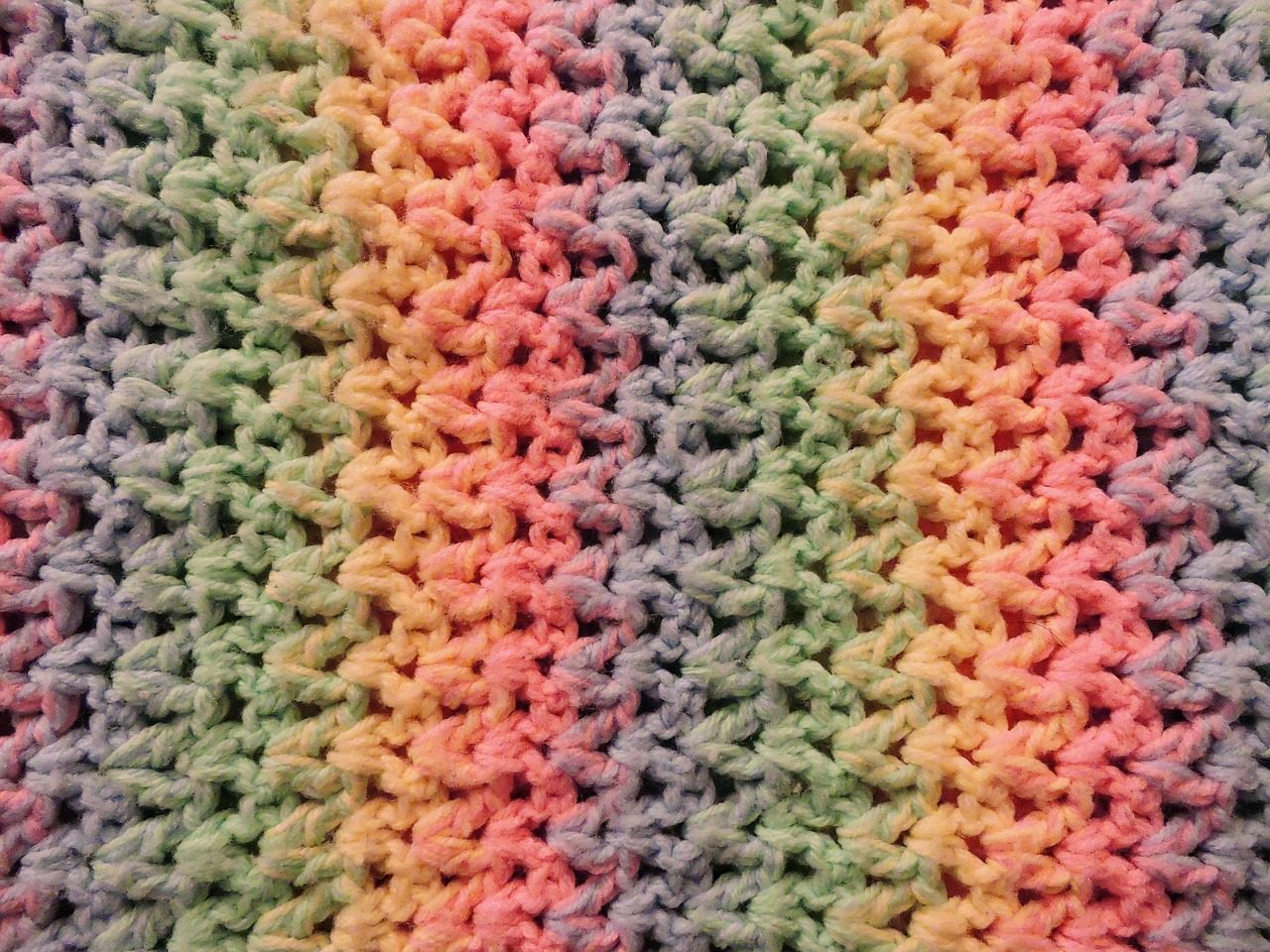
A crochet temperature blanket is a year-long project where every day's temperature decides the colour of one row or one part of the blanket. If you want to start one on 1 January 2027, now is the perfect time to plan it. This guide shows you how to choose a layout, set your temperature ranges in °C and °F, pick colours and yarn, estimate the finished size and keep up all year without stress.
What is a crochet temperature blanket?
A temperature blanket turns a year of weather into a striped or patchwork blanket. You choose a set of colours, give each colour a temperature range (for example 10–14 °C / 50–57 °F), then crochet one row a day in the colour that matches that day's temperature. By December you have a cosy record of your local weather.
Good to know for 2027: 2027 is not a leap year, so you need 365 rows or units. 1 January 2027 falls on a Friday.
Step 1: Choose your layout
Most temperature blankets follow one of these layouts. Pick the one that suits your time and skill.
| Layout | How it works | Pieces for 2027 | Level |
|---|---|---|---|
| One row per day | One striped row each day, worked back and forth | 365 rows | Beginner |
| Two colours per row | Half the row shows the high, half the low temperature | 365 rows | Advanced beginner |
| One stripe per week | One wider stripe using the weekly average | 52–53 stripes | Beginner |
| Weekly granny square | Each round of a square is one day; one square per week | 52 squares + 1 day | Beginner |
| Hexagons or circles | One small motif per day, joined at the end | 365 motifs | Intermediate |
One row per day is the classic version. Simple stitches such as single crochet (UK double crochet), half double crochet (UK half treble) or moss stitch (single crochet and chain 1 alternated) all work well. If you need a refresher, our guide to basic crochet stitches covers each one with US and UK names.
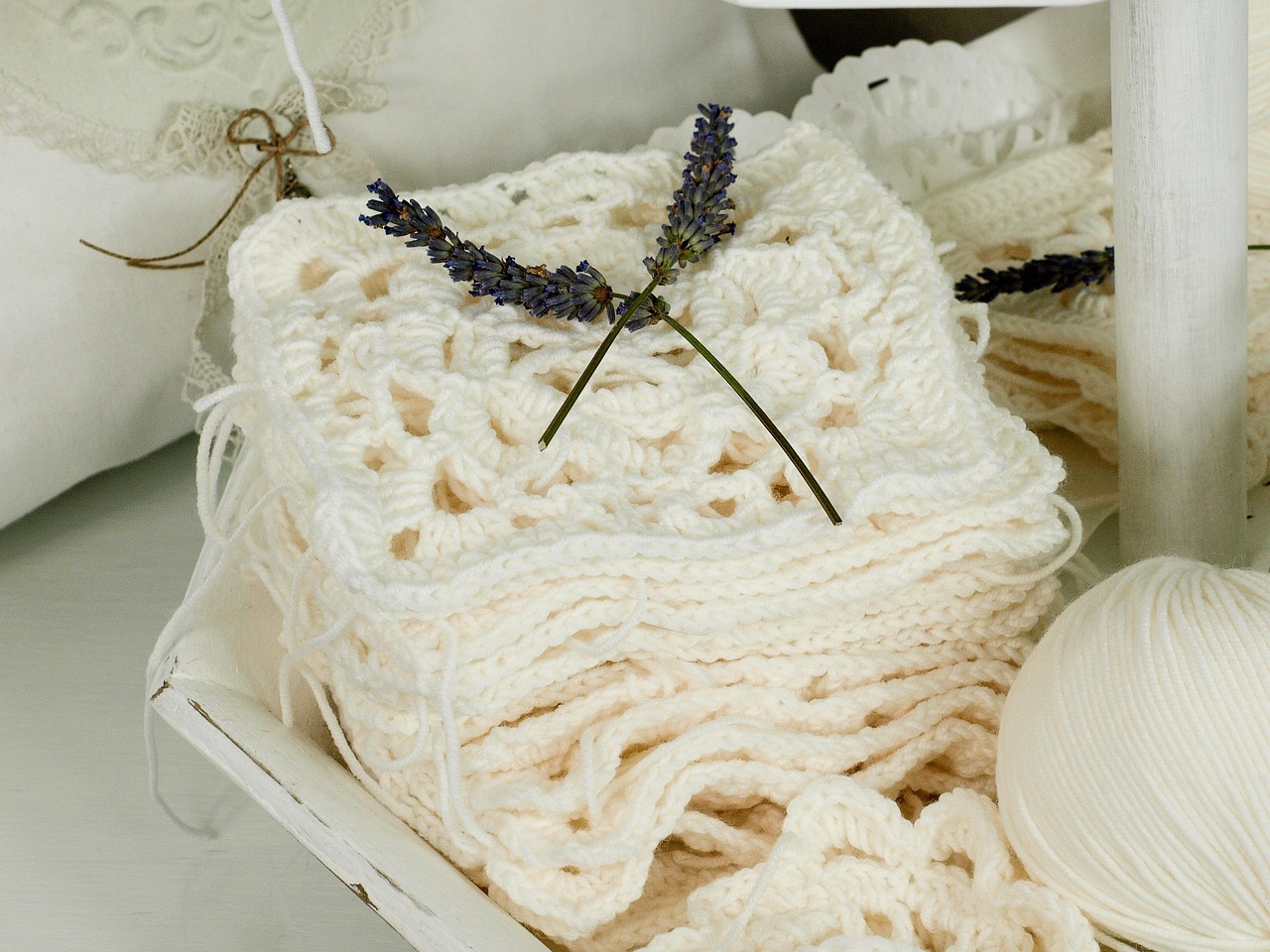
The weekly granny square is a great alternative if you prefer small, portable pieces: seven rounds per square, one round per day. You can lay 54 squares out as 6 across and 9 down, using the spare squares for the extra day and a colour key. See our classic granny square tutorial for the basic square.
Step 2: Check the finished size before you start
The biggest surprise with a one-row-per-day blanket is the length. 365 rows add up fast, so do a quick swatch first.
- Crochet a small swatch in your chosen stitch, yarn and hook, at least 12 cm (5 in) square.
- Count how many rows fit in 10 cm (4 in).
- Divide 365 by that number, then multiply by 10 cm (or 4 in).
Example: if your swatch has 18 rows in 10 cm (4 in), the blanket will be about 365 ÷ 18 × 10 = 203 cm (80 in) long. That is longer than a typical throw.
If the result is too long for you, try one of these options:
- Use a thinner yarn (DK / light worsted) so each row is shorter.
- Switch to a weekly granny square or a weekly stripe layout.
- Make the blanket wider than usual so its proportions still look balanced.
For the width, compare with standard sizes in our crochet blanket sizes chart. A throw is usually around 127 × 152 cm (50 × 60 in).
Step 3: Set your temperature ranges
First decide which temperature you will use: the daily high, the daily low, or the average. The daily high is the most popular choice because it is easy to find and gives the most colour variety.
Next, look up the typical coldest and hottest temperatures where you live, then split that span into 8 to 12 bands. Fewer bands means you need fewer colours; more bands give a smoother gradient.
Here is an example for a temperate climate with 5 °C bands. Round each day's temperature to the nearest whole degree so every day fits exactly one band.
| Band | °C | °F (approx.) | Example colour |
|---|---|---|---|
| 1 | −5 °C and below | 23 °F and below | Navy |
| 2 | −4 to 0 °C | 25–32 °F | Royal blue |
| 3 | 1 to 5 °C | 34–41 °F | Sky blue |
| 4 | 6 to 10 °C | 43–50 °F | Teal |
| 5 | 11 to 15 °C | 52–59 °F | Green |
| 6 | 16 to 20 °C | 61–68 °F | Light green |
| 7 | 21 to 25 °C | 70–77 °F | Yellow |
| 8 | 26 to 30 °C | 79–86 °F | Orange |
| 9 | 31 °C and above | 88 °F and above | Red |
If you think in Fahrenheit, build your own table with 10 °F bands (30–39 °F, 40–49 °F and so on). Hot climates need more warm bands; cold climates more cool ones.
Step 4: Choose your colours
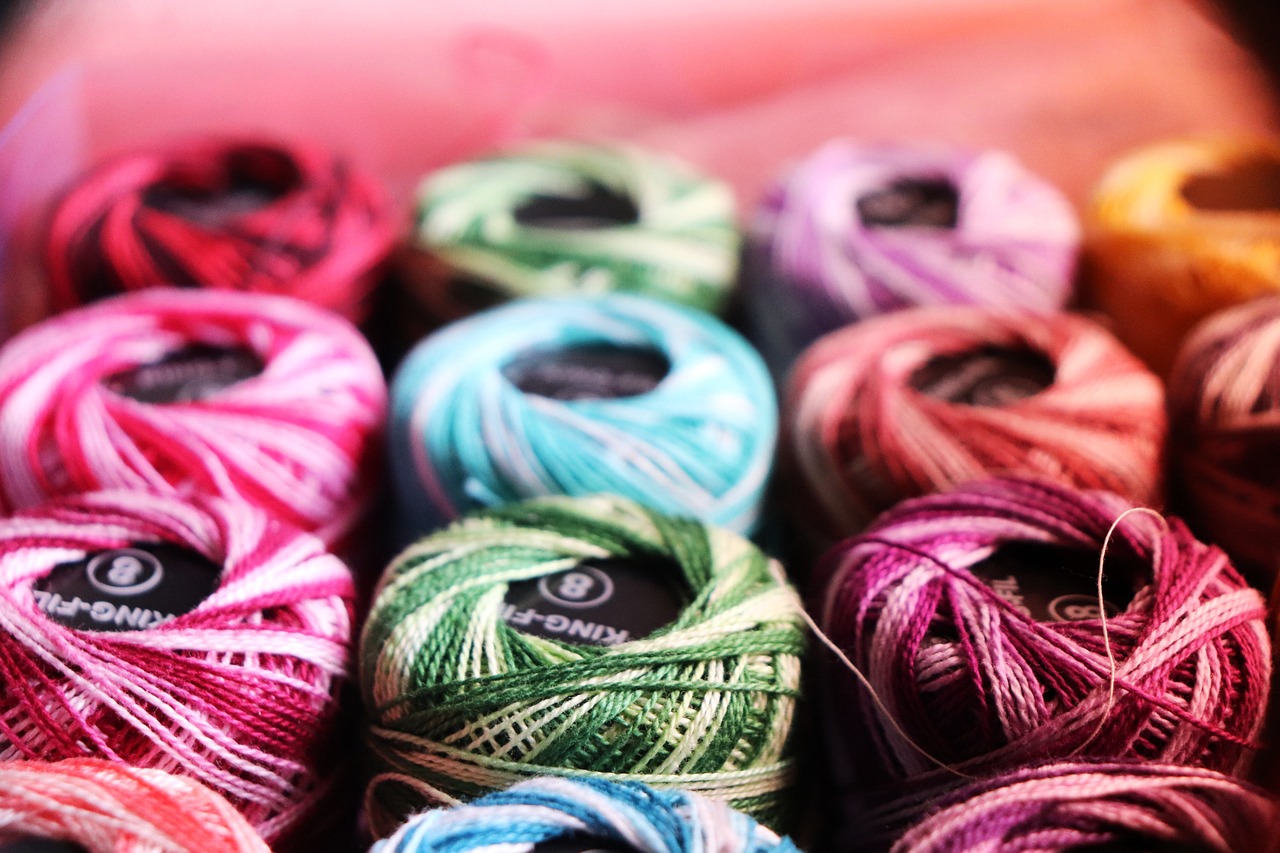
Colour is where your temperature blanket becomes personal. Popular palettes include:
- Classic rainbow: blues for cold, greens for mild, yellows to reds for hot.
- Ombré: one colour family, from very pale to very dark.
- Earthy: cream, sage, mustard, rust and brown.
- Pastel: soft shades for a nursery or bedroom.
A few tips:
- Lay your yarn balls in order and take a black-and-white photo. If two neighbouring colours look identical, swap one for a lighter or darker shade.
- Buy all your colours from the same yarn line so they have the same thickness and feel.
- Keep one extra colour aside if you want to mark special days, such as birthdays.
Because you change colour almost every row, our tutorial on how to change colors in crochet is worth a look before you start.
Step 5: Pick your yarn and hook
Acrylic or an acrylic blend in US 4 worsted / UK aran is the most common choice: affordable, washable and sold in many shades. DK gives a lighter, shorter blanket.
| Yarn weight (US / UK) | Typical hook | Notes |
|---|---|---|
| US 3 DK / light worsted / UK DK | 4 mm (US G-6) | Lighter, shorter blanket |
| US 4 worsted / UK aran | 5 mm (US H-8) | The most popular choice |
| US 5 bulky / UK chunky | 6.5 mm (US K-10½) | Thick and warm; very long in rows |
Not sure which hook matches your yarn? Check our crochet hook sizes chart.
How much yarn? A throw in worsted / aran yarn usually needs around 2,000–2,600 yd (1,830–2,380 m) in total, split across all your colours. You cannot know in advance how much of each colour you will use, so buy at least one ball of every colour and two or three of the colours that match your most common temperatures (often the mild bands). Buy more as the year goes on if needed.
Step 6: Find your temperature data
Use one reliable source all year so your data is consistent. Good options are your national weather service (such as the National Weather Service in the US or the Met Office in the UK) or a historical weather website that lists past daily highs and lows for your town. Choose one location and stick with it.
Log each day's temperature and band number in a notebook or spreadsheet.
How to keep up all year
- Batch your rows: crochet a week of rows in one sitting; past temperatures are easy to look up, so falling behind is fine.
- Handle the ends as you go: crochet over the tails or weave them in weekly.
- Keep a colour key with a snippet of each yarn next to its band.
Common mistakes to avoid
| Mistake | What happens | Fix |
|---|---|---|
| No swatch | The blanket ends up far too long | Measure rows per 10 cm (4 in) first |
| Colours too similar | Stripes blur together | Check contrast with a black-and-white photo |
| Changing data sources | Inconsistent colours | Use one source and one location all year |
| Leaving all ends to the end | Hours of weaving in December | Work over tails or weave in weekly |
Frequently asked questions
When should I start a temperature blanket for 2027? Start on 1 January 2027 if you can, but plan your colours and buy yarn in November or December. You can also start later and catch up using past weather data.
How many rows are in a 2027 temperature blanket? 365, because 2027 is not a leap year. For a weekly layout, you need 52 stripes or squares plus one extra day.
What is the best stitch for a temperature blanket? Single crochet (UK double crochet), half double crochet (UK half treble) and moss stitch are the most popular. They are quick, easy to count and show colour changes clearly.
Looking for more?
- Crochet blanket sizes chart
- How to change colors in crochet
- How to crochet a granny square
- Basic crochet stitches for beginners
- Crochet hook sizes chart
Key takeaways
- A crochet temperature blanket records a year of weather, one row or unit per day; 2027 has 365 days.
- Swatch first: 365 rows can make a blanket over 2 m (80 in) long, so check rows per 10 cm (4 in).
- Split your local temperature span into 8–12 bands and round each day to the nearest whole degree.
- Worsted / aran acrylic and a 5 mm (US H-8) hook are a reliable choice; buy extra of the mild-weather colours.
- Use one weather source all year, batch your rows weekly and deal with ends as you go.